


On 16 July 2026, the Southern African Migration Network (SAMIN) officially launched its National Chapter of Mozambique at a ceremony held at Hotel Cardoso in Maputo, running from 08:30 to 14:00. The event was organised by JOINT – Liga das ONGs em Moçambique in close partnership with the SAMIN Secretariat, which is hosted by Africa Unite, a human rights and social cohesion organisation based in Cape Town.
SAMIN is a regional network connecting organisations, professionals, and other stakeholders working on migration and human mobility within the Southern African Development Community (SADC). Since 2024, it has expanded steadily across the region by establishing national chapters, which serve as local anchors for the network and provide a structured mechanism for civil society collaboration on migration issues. Before Mozambique, chapters had already been established in Malawi, Zimbabwe, Botswana, Zambia, and Madagascar, making Mozambique the sixth country to join. Mozambique holds a particularly significant place in the region's migration dynamics, functioning simultaneously as a country of origin, transit, and destination, shaped by ongoing displacement in the north, cross-border economic migration, and shared borders with several SADC states. Civil society engagement on these issues in Mozambique had, until now, remained fragmented, with organisations often working in isolation. The new Chapter was established to close this gap and create a shared platform for coordination, learning, and collective advocacy.
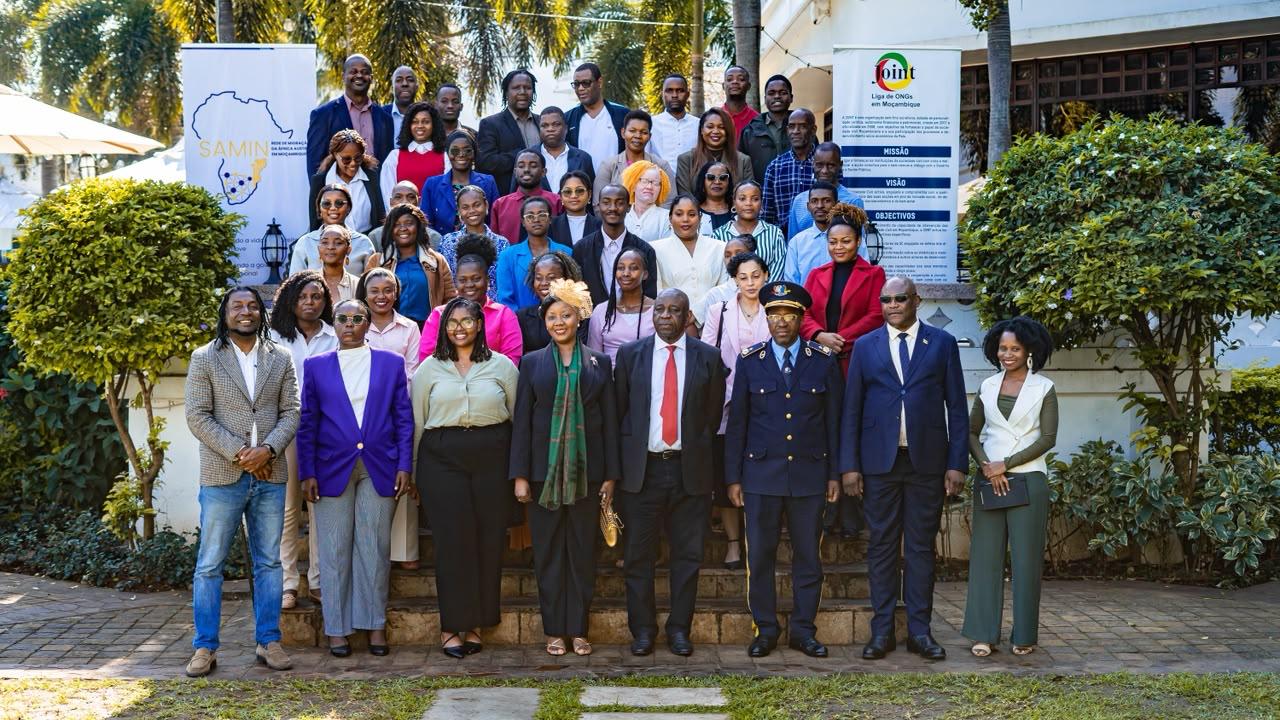
The programme was organised in three parts. The first was the official launch ceremony, opening with a welcome address by Pedro Muiambo, JOINT Programs Director, followed by remarks from Zoe Nkongolo, Director of Africa Unite, and an official welcome from a representative of the authorities. Basetsane Mosia of the SAMIN Secretariat presented the regional network, after which Pedro Muiambo presented the desired profile of the Mozambique National Chapter. This first session closed with aplenary discussion, a coffee break, and a group photograph.
The second part of the programme was a keynote address by Dr Guirino Nhatave, who contextualised the history of migration in Mozambique, followed by a further plenary discussion. The third and final part was a sharing space on the theme & quot; The multiple facets of migration: interests, challenges, and perspectives for Mozambique, & quot; which included interventions from special guests and migrant testimonies. Speakers in this session included Yolanda Etelvina Chicuele, Head of the Legal Advisory Department at the National Institute for Refugee Support; Hon. Ivone Soares, Member of Parliament and representative of COTE, the Technical Commission for the Materialisation of the Inclusive National Dialogue; and Jorge Bande, National Director of Operations at the National Migration Service. The event concluded with a final plenary, closing remarks, and lunch.
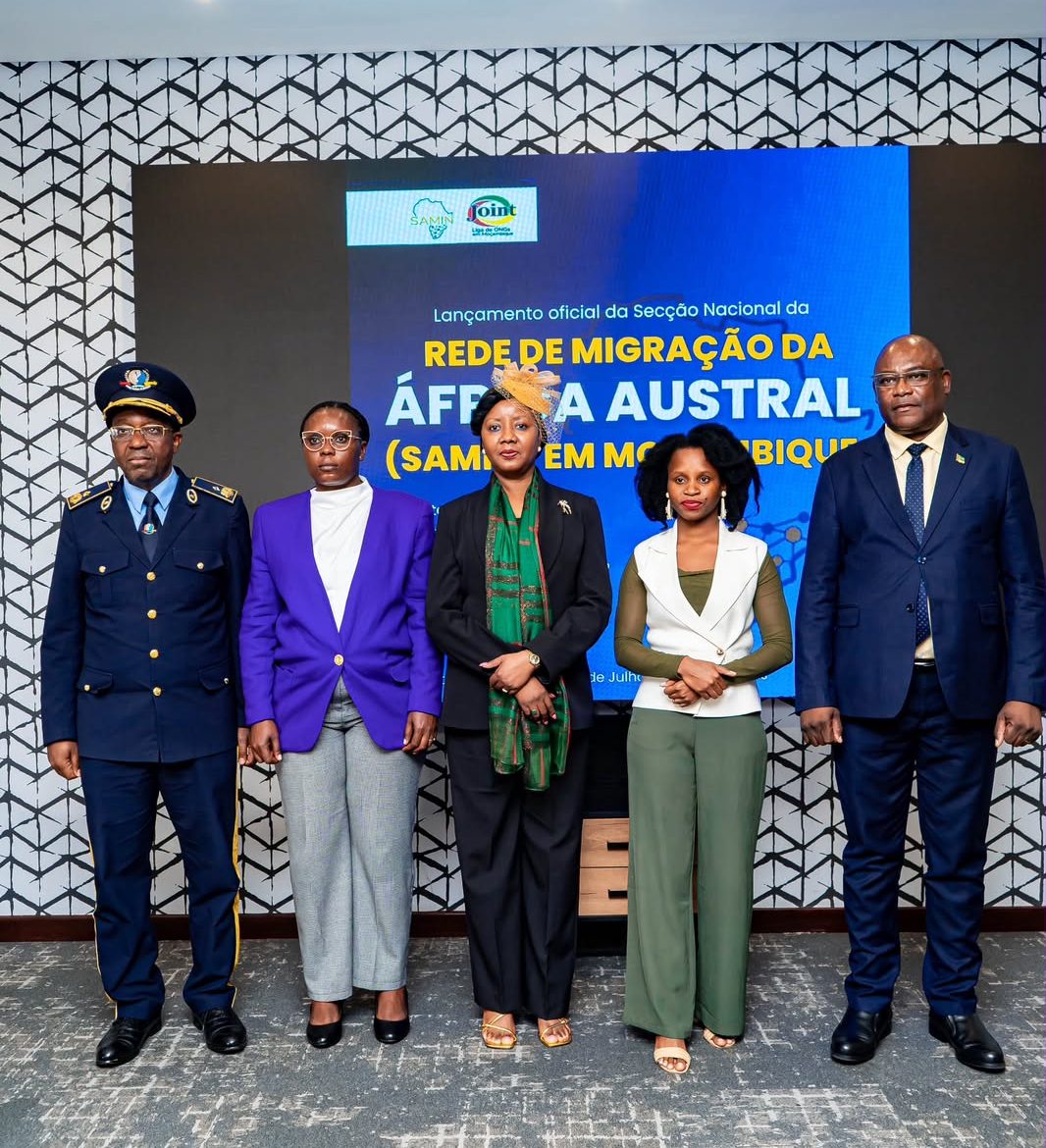
The launch drew a broad range of participants reflecting the intended multi-stakeholder nature of the Chapter, including representatives of the International Organization for Migration (IOM) and the Youth Parliament, alongside civil society organisations, government officials, and community stakeholders.
A notable highlight of the day was the intervention by Hon. Ivone Soares, who framed migration as central to Mozambique's national development strategy and described the diaspora as valuable human capital. She recalled Mozambique's history of hosting African leaders during the independence struggles as an example of the country's tradition of hospitality and solidarity. She also raised concerns that had emerged during Mozambique's inclusive national dialogue consultations with the diaspora, particularly the experience of xenophobia faced by Mozambican migrants in the region, and called for an integrated migration policy bringing together security, human rights, and development. Among her proposals were stronger consular protection mechanisms, community awareness campaigns against xenophobia, reporting mechanisms for discriminatory acts, the integration of migration into school curricula, and the institutionalisation of permanent mechanisms to monitor and evaluate migration policy over time.
Going forward, the SAMIN Secretariat and JOINT will continue supporting the operationalisation of the Mozambique Chapter, including formalising its membership and coordination structures. Organisations and individuals interested in joining or partnering with the Chapter have been invited to contact JOINT through Elídia Zacarias at elidia.zacarias@joint.org.mz, with a copy to the SAMIN Secretariat atsecretariat@samin.org.za.
Overall, the launch of the SAMIN Mozambique National Chapter marks a meaningful step toward more coordinated, rights-based engagement on migration in the country. By connecting a previously fragmented civil society landscape to a structured national platform, and through it to the wider SADC region, the Chapter positions Mozambican stakeholders to contribute more effectively to migration governance while benefiting from regional solidarity and shared learning.
PDF Links: https://samin.org.za/wp-content/uploads/2026/08/SAMIN-Mozambique_-Country-Chapter-Launch-Report.docx
PDF Links:https://samin.org.za/wp-content/uploads/2026/08/Relaoirio-SAMIN-Mocambique.pdf